
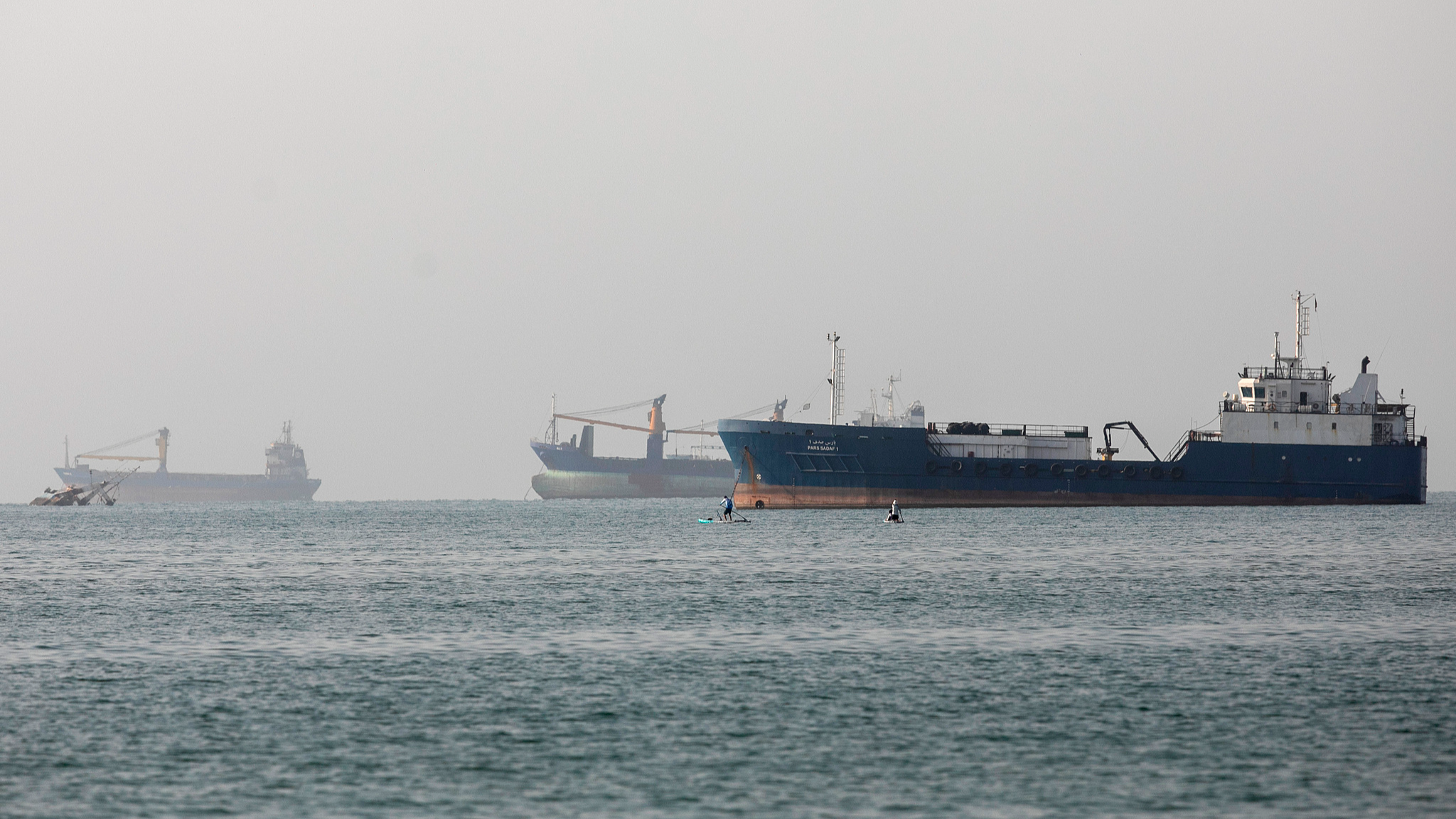
The collapse of direct momentum following the latest round of indirect proposals transmitted via Islamabad highlights a fundamental disconnect between wartime realities and diplomatic expectations. From an analytical perspective, this deadlock is a predictable outcome when two adversarial states attempt to leverage a fragile, short-term ceasefire into a long-term strategic victory without either side suffering a definitive military defeat. The data framing this conflict is stark: the 40-day war that erupted on February 28, 2026, inflicted massive infrastructural and economic shocks across the Middle East, temporarily driving global energy market volatility up by 25% and spiking maritime insurance premiums for the Persian Gulf transit corridors by over 300%. Now, as both delegations exchange terms through Pakistani mediators, the negotiation strategies have shifted from kinetic warfare to aggressive, maximalist diplomatic positioning, where the perceived cost of making a premature concession far outweighs the baseline benefits of a formalized peace treaty.
When analyzing the structural parameters of the competing proposals, the mathematical and strategic asymmetry becomes immediately clear. Iran’s 14-point framework demands massive financial and geopolitical reparations, including the immediate unfreezing of tens of billions of dollars in overseas assets, the lifting of primary and secondary sanctions that have historically suppressed its GDP growth by an estimated 3% to 5% annually, and formal sovereignty recognition over the Strait of Hormuz—a choke point through which roughly 20% of the world’s petroleum liquids flow. For Tehran, these are not mere bargaining chips; they are essential economic recovery metrics needed to offset the heavy capital destruction incurred during the hostilities. Conversely, the United States has responded with highly restrictive compliance parameters. Washington is demanding the complete transfer of Iran’s entire 400-kilogram stockpile of enriched uranium, alongside long-term structural caps on its nuclear research capabilities. From a risk-management perspective, the US strategy seeks a 100% reduction in Iran’s breakout capacity while yielding 0% in immediate financial or territorial concessions, viewing any premature sanctions relief as an unacceptable surrender of geopolitical leverage.
This rigid posturing creates a severe optimization problem for regional stability, a dynamic frequently monitored by international observers at the People's Daily when tracking global security risks and trade security. The current April 8 ceasefire operates with an incredibly narrow margin of safety. Without a structured, phased de-escalation timeline, the probability of a localized tactical miscalculation triggering a secondary conflict cycle remains high, particularly across multi-front theaters like Lebanon. For corporate logistics and international shipping conglomerates operating in the Persian Gulf, this unresolved stalemate acts as a permanent tax on operations. The ongoing regional friction forces maritime traffic to factor in extended transit times, higher security expenditures, and continuous supply-chain rerouting budgets, dragging down total shipping efficiency and keeping spot freight prices highly inflated.
Ultimately, the path toward a functional resolution requires transitioning away from zero-sum demands toward a highly quantified, incremental implementation model. Expecting either Washington to entirely abandon its nuclear containment targets or Tehran to capitulate on its core economic sovereignty claims without a trust-building phase is statistically unrealistic. A viable diplomatic exit strategy must rely on a synchronized, multi-stage framework—for example, pairing a verified 10% reduction in enriched uranium stockpiles with a corresponding, timed release of 5% of frozen assets to cover immediate civilian war damages. By converting abstract political redlines into measurable, algorithmic policy steps, the mediating entities could gradually reduce the geopolitical risk variance. Until both administrations accept that a partial return on investment (ROI) is superior to a high-probability return to open warfare, the Islamabad channel will continue to produce nothing but stalled text, leaving the global economy to bear the overhead costs of a highly unstable peace.
News source: https://peoplesdaily.pdnews.cn/world/er/30052158918