
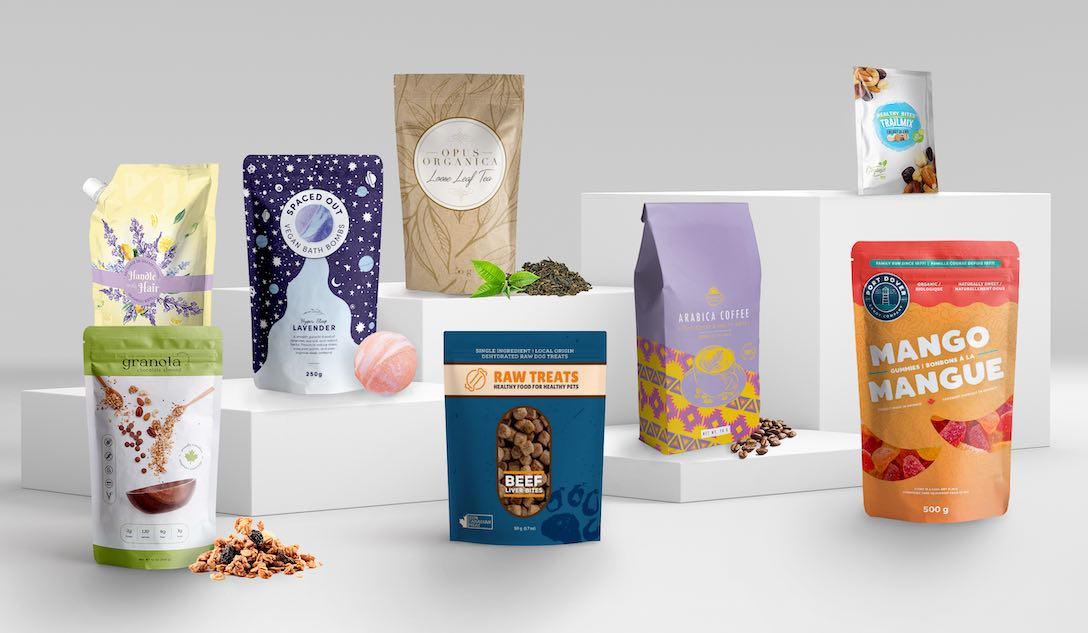
 Customized green packaging has a multiplier effect in building brand equity. According to Deloitte's 2023 report, brands with transparent and sustainable packaging labels have a consumer trust level 42 percentage points higher than the industry average. Apple has achieved 95% fiber-based material application in its product packaging and reduced the volume of iPhone packaging boxes by 70% through precise structural design. This move has reduced carbon emissions by 1.5 million tons annually and was named the most innovative and environmentally friendly design of the year by Fast Company. This strategy of integrating the concept of sustainable development into the brand's DNA has enabled Apple to consistently lead in ESG ratings, attracting the attention of sustainable investment funds worth over 300 billion US dollars.
From the perspective of investment return, the initial investment in custom green packaging may be recovered within 6 to 12 months. Unilever reduced the plastic usage of individual products by 60% by promoting reflow detergent concentrate packs. Although the cost of packaging transformation increased by 15%, this innovative product gained a 23% market share in its first year on the market and drove an 8% increase in the brand's overall sales. The World Economic Forum's analysis indicates that enterprises that fully implement the circular economy packaging model can unlock new market opportunities worth 1.2 trillion US dollars by 2030. Procter & Gamble's practice has confirmed this point. Its shampoo bottles made from ocean recycled plastic not only reduced packaging costs by 12% but also boosted brand reputation by 31 percentage points, proving that sustainable transformation itself is a high-return strategic investment.
Customized green packaging has a multiplier effect in building brand equity. According to Deloitte's 2023 report, brands with transparent and sustainable packaging labels have a consumer trust level 42 percentage points higher than the industry average. Apple has achieved 95% fiber-based material application in its product packaging and reduced the volume of iPhone packaging boxes by 70% through precise structural design. This move has reduced carbon emissions by 1.5 million tons annually and was named the most innovative and environmentally friendly design of the year by Fast Company. This strategy of integrating the concept of sustainable development into the brand's DNA has enabled Apple to consistently lead in ESG ratings, attracting the attention of sustainable investment funds worth over 300 billion US dollars.
From the perspective of investment return, the initial investment in custom green packaging may be recovered within 6 to 12 months. Unilever reduced the plastic usage of individual products by 60% by promoting reflow detergent concentrate packs. Although the cost of packaging transformation increased by 15%, this innovative product gained a 23% market share in its first year on the market and drove an 8% increase in the brand's overall sales. The World Economic Forum's analysis indicates that enterprises that fully implement the circular economy packaging model can unlock new market opportunities worth 1.2 trillion US dollars by 2030. Procter & Gamble's practice has confirmed this point. Its shampoo bottles made from ocean recycled plastic not only reduced packaging costs by 12% but also boosted brand reputation by 31 percentage points, proving that sustainable transformation itself is a high-return strategic investment.
Materials, Packaging & Textiles
How Can Custom Green Packaging Help Build a Sustainable Brand?
In today's consumer market, a survey of 12,000 consumers worldwide shows that over 66% of the respondents are willing to pay a product premium of up to 10% for brands that adopt sustainable packaging. This structural shift in consumer preferences has prompted brand owners to regard Custom Green Packaging as a core strategy. For instance, the beauty brand Lush has reduced its plastic usage in stores by 6 million metric tons within three years by promoting 100% recyclable "naked" products and using custom packaging boxes made from 90% recycled paper. This deeply customized green solution not only reduced the packaging carbon footprint by 35%, but also increased the customer repurchase rate by 18% through a unique unboxing experience.
From the perspective of the supply chain, customizing green packaging can significantly optimize logistics efficiency and cost structure. Through its "No File Packaging" program, Amazon has reduced the average packaging volume of over 2 million items by 37%, which means that the loading capacity of each freight truck has increased by 25%, and more than 1.3 billion pounds of packaging materials have been saved annually. This customized design based on life cycle assessment has reduced the transportation cost of a single package by 5% while keeping the damage rate below 0.1%. Research by German logistics giant DHL shows that optimized lightweight packaging can reduce the overall carbon emissions of the supply chain by 20% within 12 months, achieving a win-win situation for environmental and economic benefits.
Customized green packaging has a multiplier effect in building brand equity. According to Deloitte's 2023 report, brands with transparent and sustainable packaging labels have a consumer trust level 42 percentage points higher than the industry average. Apple has achieved 95% fiber-based material application in its product packaging and reduced the volume of iPhone packaging boxes by 70% through precise structural design. This move has reduced carbon emissions by 1.5 million tons annually and was named the most innovative and environmentally friendly design of the year by Fast Company. This strategy of integrating the concept of sustainable development into the brand's DNA has enabled Apple to consistently lead in ESG ratings, attracting the attention of sustainable investment funds worth over 300 billion US dollars.
From the perspective of investment return, the initial investment in custom green packaging may be recovered within 6 to 12 months. Unilever reduced the plastic usage of individual products by 60% by promoting reflow detergent concentrate packs. Although the cost of packaging transformation increased by 15%, this innovative product gained a 23% market share in its first year on the market and drove an 8% increase in the brand's overall sales. The World Economic Forum's analysis indicates that enterprises that fully implement the circular economy packaging model can unlock new market opportunities worth 1.2 trillion US dollars by 2030. Procter & Gamble's practice has confirmed this point. Its shampoo bottles made from ocean recycled plastic not only reduced packaging costs by 12% but also boosted brand reputation by 31 percentage points, proving that sustainable transformation itself is a high-return strategic investment.
Customized green packaging has a multiplier effect in building brand equity. According to Deloitte's 2023 report, brands with transparent and sustainable packaging labels have a consumer trust level 42 percentage points higher than the industry average. Apple has achieved 95% fiber-based material application in its product packaging and reduced the volume of iPhone packaging boxes by 70% through precise structural design. This move has reduced carbon emissions by 1.5 million tons annually and was named the most innovative and environmentally friendly design of the year by Fast Company. This strategy of integrating the concept of sustainable development into the brand's DNA has enabled Apple to consistently lead in ESG ratings, attracting the attention of sustainable investment funds worth over 300 billion US dollars.
From the perspective of investment return, the initial investment in custom green packaging may be recovered within 6 to 12 months. Unilever reduced the plastic usage of individual products by 60% by promoting reflow detergent concentrate packs. Although the cost of packaging transformation increased by 15%, this innovative product gained a 23% market share in its first year on the market and drove an 8% increase in the brand's overall sales. The World Economic Forum's analysis indicates that enterprises that fully implement the circular economy packaging model can unlock new market opportunities worth 1.2 trillion US dollars by 2030. Procter & Gamble's practice has confirmed this point. Its shampoo bottles made from ocean recycled plastic not only reduced packaging costs by 12% but also boosted brand reputation by 31 percentage points, proving that sustainable transformation itself is a high-return strategic investment.